Athlete Sponsorship for Small Businesses: A Practical Guide
By Sophie Broeders · Founder of WINRZ, athlete #001
A practical guide to athlete sponsorship for small businesses: what it costs, what to ask for, how to measure results and why one race is a smart first step.
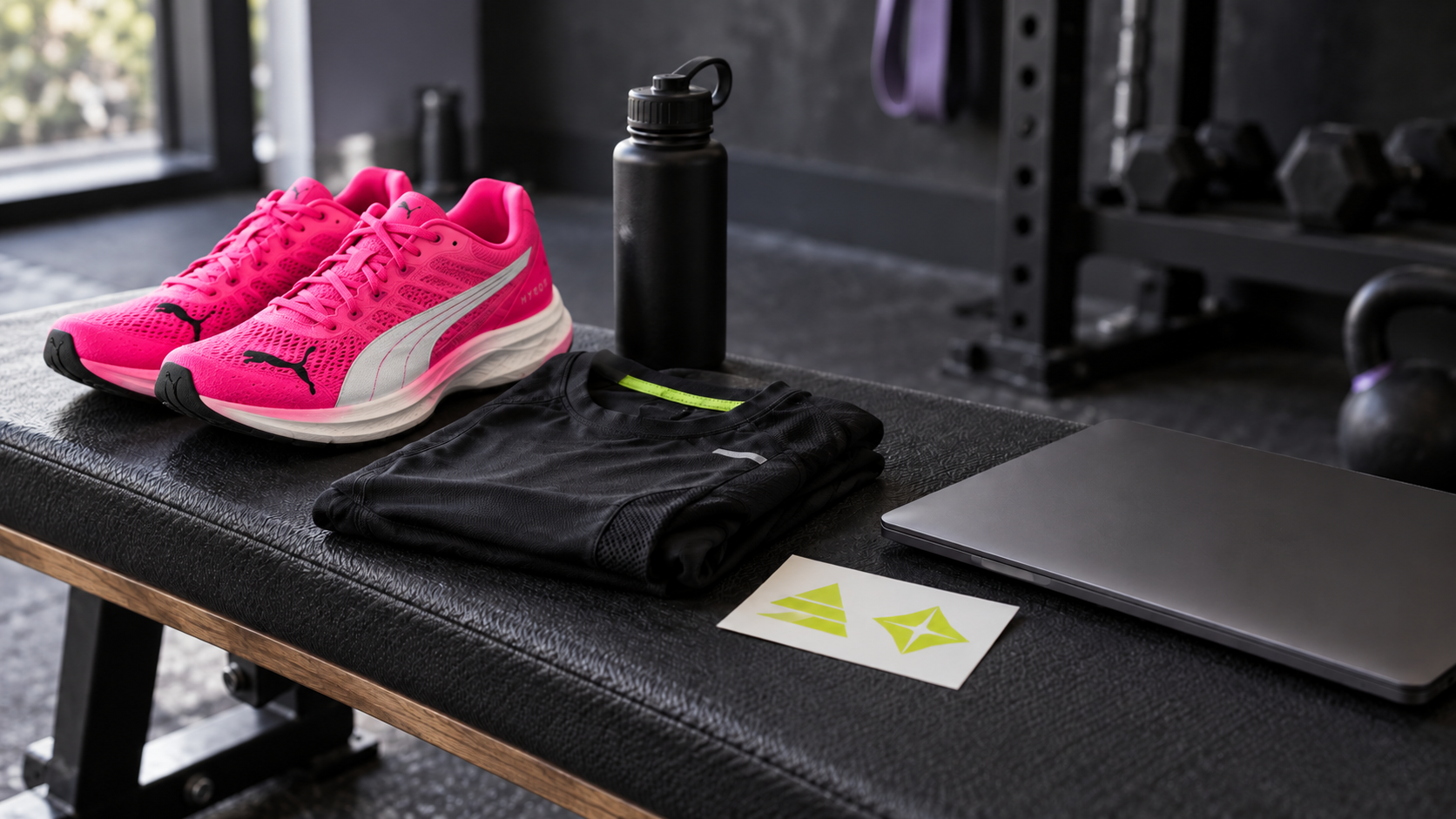
Most small businesses never consider sport sponsorship. It sounds like something for global brands with stadium boards and seven-figure budgets. But athlete sponsorship for small businesses is a different game, and often a better one. Amateur athletes train in your region, race in front of real crowds and post to followers who actually know them. You do not need a marketing department to make it work. You need a clear goal, a fair price and the right content rights.
This guide covers what to look for, what it costs, what to ask for and how to judge whether it paid off.
Key takeaways
- Athlete sponsorship gives small businesses relevance with a close, often local audience rather than broad reach.
- A typical athlete sponsorship is estimated at £1-5k per year, but a single event is a lower-risk first step.
- The value is in usable content: race photos, posts from the athlete and a clear licence to reuse them.
- Ask for proof the athlete started, and decide before race day how you will measure results.
Why athlete sponsorship works for small businesses
Large sponsorships buy reach. Small business sponsorship buys relevance. An amateur runner, triathlete or fitness racer usually has a close, local audience: training partners, club members, colleagues, family and the people who follow their progress race by race.
IPSE, the UK association for the self-employed, makes the same point in its piece on how athletes offer a marketing solution for the self-employed. It describes athletes as offering "highly-engaged audiences which are often geographically tied to specific areas", and notes that many athletes, "even Team GB Olympians", do not make a living from their sport. That gap is where small brands can step in.
There are three reasons it tends to work:
- Trust travels with the athlete. People pay attention when someone they follow chooses to wear a brand on race day.
- The story is built in. Months of training, a hard race, a finish line. That is content your brand can be part of without staging anything.
- It signals what you stand for. Backing an athlete shows customers you invest in people, not just ads.
How much does it cost to sponsor an amateur athlete?
There is no fixed price list. IPSE puts a typical athlete sponsorship at "£1-5k per year", with smaller options such as paying for equipment and bigger ones such as a longer-term financial partnership.
For many small businesses, a full year is too big a first step. A season-long contract means a large commitment before you know whether the audience fits your brand. A single race is easier to test. You pay for one event, get one set of content and decide afterwards whether you want more.
That is the model behind WINRZ. Brands bid on a logo spot on an athlete's body for one race, such as the chest, upper arms, shoulder blades, thighs, calves or forearms. The market sets the price, and only the winning bidder pays.
What to ask for in a small business sponsorship
The logo is the visible part. The value sits in what you can use afterwards. Before you commit to any athlete sponsorship, check these points.
1. Placement and visibility
Where will your logo appear, and will it be seen in photos? A chest spot reads well in finish-line shots. Calves and forearms show up in action photos. Ask the athlete which angles tend to get photographed at their event.
2. Content you can actually use
A logo in a crowd of thousands is easy to miss. Professional race photos with your logo in frame are not. Ask for:
- Race-day photos (and video, if available)
- A feed post and stories from the athlete
- A clear licence that lets you use the content on your own channels, for a set period
On WINRZ, the winning brand pays the winning bid plus a €49 production and content fee (excl. VAT). In return it receives pro race photos (video on selected races), a feed post and stories from the athlete, and a 12-month content licence.
3. Proof that it happened
Make sure there is a way to confirm the athlete actually raced. On WINRZ, athletes upload their start ticket no later than three days after the race.
4. A fit with your values
Pick an athlete whose sport, region and personality match your customers. A local physiotherapist backing a fitness racer makes sense. So does a bike shop backing a triathlete. Fit matters more than follower count.
Add a charity angle
Sponsorship becomes more meaningful when part of it goes to a cause. IPSE calls athlete sponsorship "a great social value initiative", noting that it signals to customers "that you are a business that gives back".
On WINRZ this is built into every auction: 5% of each winning bid goes to charity, 80% goes to the athlete and 15% to WINRZ. Athletes can choose to give a higher share to charity from their own part. You get a story about supporting a person and a cause at the same time, without having to set it up yourself.
How to measure the results
Small businesses rarely have the tools for big brand-lift studies, and that is fine. Keep it simple and decide what you will track before race day:
- Engagement on the athlete's posts that feature your brand: likes, comments, shares and saves.
- Traffic and enquiries using a dedicated discount code or landing page mentioned in the athlete's post.
- Content reuse. Count how many times you use the race photos across your own website, socials, newsletter and sales material during the licence period. Compare that with what a photoshoot would have cost you.
- Local recognition. Ask new customers how they heard of you. Sponsorship often shows up in conversations before it shows up in numbers.
After one race, you will know whether the audience fits. That is the main thing a first sponsorship should tell you.
Getting started
If you are new to athlete sponsorship, start with one athlete and one race. Choose a sport your customers recognise, agree on clear content rights and set one or two simple goals.
You can browse athletes on WINRZ or read how the platform works in our introduction to WINRZ. The first athlete is founder Sophie Broeders, racing a fitness race at IFEMA Madrid on 18 March 2027. Her auction closes on 4 March 2027 at 20:00 Madrid time, and you can see the available spots on her profile.
FAQ
Can a small business sponsor an athlete without a big budget?
Yes. Single-race sponsorship lets you start small and test whether an athlete's audience suits your brand before committing to a season.
What should a small business get in return for sponsoring an athlete?
At minimum: visible logo placement, usable photos, posts from the athlete and a written licence to reuse the content. Ask about proof that the athlete raced as well.
Who can bid on a WINRZ athlete?
WINRZ is B2B: only registered businesses can bid. To take over a spot, you need to bid at least 1.5 times the current price. Bids placed in the last 10 minutes extend the close, so nobody can snipe a spot at the final second.
How is the logo applied on race day?
The logo is applied as a skin-safe temporary tattoo on the athlete's body, or as a print on their kit, on race day.
Ready to back an athlete for one race? Bid on a spot on Sophie's profile and be part of the story. Everybody wins.