How to Get Sponsored as an Amateur Athlete
By Sophie Broeders · Founder of WINRZ, athlete #001
A practical guide on how to get sponsored as an amateur athlete: what brands want, how to pitch, where to start and how to keep a sponsor coming back.
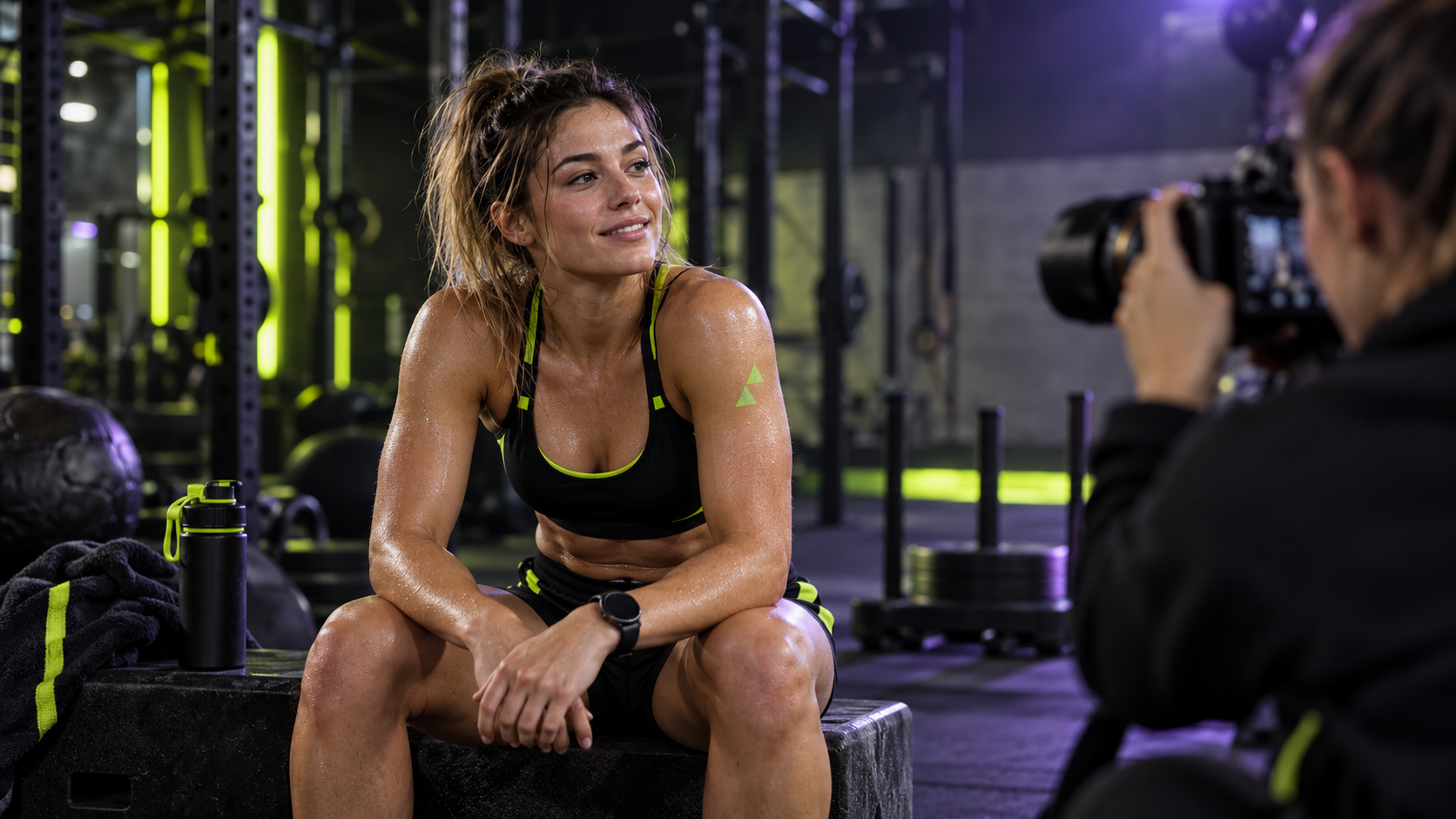
You do not need to be on the podium to get sponsored. You need to be useful to a brand. That is the part most amateur athletes miss: they send a list of race times and wait. Brands do not buy race times. They buy attention, credibility and content.
This guide covers how to get sponsored as an amateur athlete, step by step, from knowing what you need to keeping a sponsor for the next season.
Key takeaways
- You do not need podium results to get sponsored as an amateur athlete; brands look for attention, credibility and content.
- Start with brands you already use and local businesses that serve people like your followers.
- Keep your pitch to two pages: who you are, who follows you, what you offer, what you ask for and why this brand.
- A logo alone is weak value. Race photos, posts and a short report after the race are what brands remember.
- Offering one race as a trial makes it easier for a brand to say yes.
What sponsorship really is
Sponsorship is an exchange, not a gift. The Australian Sports Foundation describes it as "a mutually beneficial relationship" and stresses that it is not a donation or a handout. The brand gives you something. You give the brand something back.
That support can take several forms:
- Money for entry fees, travel and coaching.
- Product such as shoes, kit, nutrition or equipment.
- Services like physio, massage, gym access or recovery sessions.
- Affiliate partnerships, where you earn a commission on sales you drive.
- Ambassador roles, where you represent the brand on social media and at events.
Most amateur athletes start with product or services. Money usually comes later, once you have shown you can deliver.
Step 1: Know what you need
Before you contact anyone, write down what would actually move your season forward. Entry fees for three races? A new pair of race shoes every few months? Weekly sports massage?
A clear ask makes it easier for a brand to say yes. "Can you support me?" is vague. "I am racing a fitness race in Madrid in March and need help covering travel" is something a marketing manager can take to their boss.
Step 2: Find sponsors that fit
The best first sponsors are often brands you already use and local businesses you already know. Ben Greenfield, writing for TrainingPeaks, says his first sponsors were a local bike shop, a local running store, a local restaurant and a local manufacturing business. None of them were global sports brands.
Look beyond sport, too. A dentist, an accountant, a physio clinic or a coffee roaster may want to reach the same active, local audience you have. Ask yourself:
- Does this business serve people like my followers?
- Do I use their product, or would I be happy to?
- Do their values match how I train and race?
If the answer is no, skip them. A sponsor you cannot promote with conviction will not renew.
Step 3: Build your channels before you pitch
A brand will look you up before it replies. Make sure what it finds is worth finding.
Social media
Pick one or two platforms and post consistently: training, race prep, honest race reports, the bad days as well as the good ones. Engagement matters more than follower count. A few hundred people who comment and ask questions are more valuable to a local brand than thousands who scroll past.
Other channels
A blog, a newsletter, a podcast, a running club you coach, a local newspaper article: all of it counts. Anything that shows people listen to you is part of your offer.
Step 4: Write a sponsorship pitch that gets read
Keep it short. One page for the letter, one page for your race history. Cover:
- Who you are and which races you are targeting this season.
- Who follows you: audience size, where they are, how engaged they are.
- What you offer: posts, stories, logo placement, race photos, product reviews, appearances at events.
- What you ask for: be specific about money, product or services.
- Why this brand: show you have done your research.
Do not send it out of the blue if you can avoid it. Visit the shop, meet the owner, comment on their posts first. A pitch from someone they recognise gets a different reception.
Step 5: Deliver more than a logo
Here is the uncomfortable truth: a logo on your kit, on its own, is weak value. Greenfield calls it "one of the least effective ways to promote your sponsor." What brands remember is content they can use.
Give your sponsor:
- Good race photos with their logo clearly visible.
- Posts and stories that tag them, before and after race day.
- An honest review of their product.
- Regular updates: results, mentions, anything they can reshare.
Then send a short report after every race. Most athletes never do this, which is exactly why it works.
Step 6: Think one race at a time
Season-long sponsorship is a big commitment for a small business. One race is not. If a brand is unsure, offer a single event as a trial. They see what you deliver, you prove you are reliable, and you both decide whether to continue.
This is the model behind WINRZ. Instead of pitching one brand at a time, an athlete lists logo spots on their body for a single race, and registered businesses bid on them. The winning logo is applied as a temporary tattoo on race day. The athlete receives 80% of the winning bid, 5% goes to charity and WINRZ keeps 15%. Brands also get professional race photos, a feed post and stories, and a 12-month content licence, which covers the content gap most sponsorships leave open. You can see how it looks in practice on the profile of athlete #001, who races in Madrid in March 2027.
Whichever route you choose, the principle is the same: make it easy for a brand to say yes, then make them glad they did.
Common mistakes to avoid
- Sending the same generic email to fifty brands.
- Leading with your times instead of your audience.
- Promising exposure you cannot measure.
- Going quiet after the race.
- Accepting a sponsor whose product you would never use.
FAQ
Do I need to be fast to get sponsored as an amateur athlete?
No. Brands care about reach, credibility and how actively you promote them. Strong results help, but an engaged audience and reliable follow-through matter more for most local and small brands.
How many followers do I need for a sponsorship?
There is no fixed number. A small, engaged local audience can be exactly what a local business wants. Show who your followers are and how they respond, not only how many there are.
Should I ask for money or product?
Ask for what you actually need, but expect product or services first. Once you have shown you can deliver content and results, it becomes easier to ask for financial support.
Can I get sponsored for just one race?
Yes. A single-race sponsorship is a low-risk way for a brand to test working with you. Platforms such as WINRZ are built around that idea; you can browse the athletes to see how it works.
Racing soon and want brands to bid on your spots? Join the waitlist with Notify me on the WINRZ homepage.