How to Measure Athlete Sponsorship ROI: A Brand Guide
By Sophie Broeders · Founder of WINRZ, athlete #001
Learn how to measure athlete sponsorship ROI: which metrics to track, how to use UTM links and promo codes, and a simple formula with a worked example.
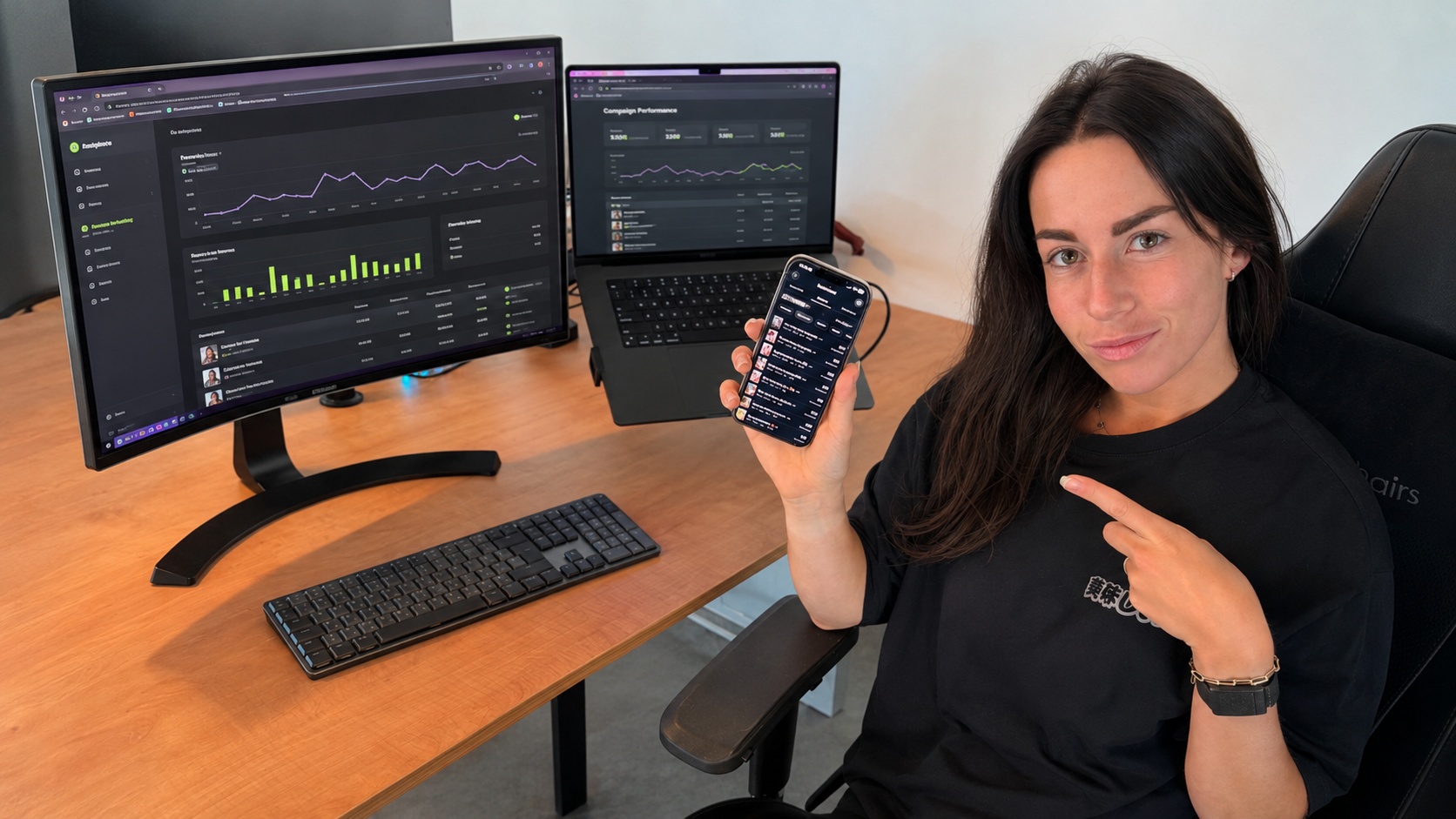
To measure athlete sponsorship ROI, set one business goal before the event, give the athlete a trackable link or promo code, and compare the value you can attribute (leads, sales, usable content) with the total cost of the sponsorship. For an amateur athlete, the total cost is usually the sponsorship fee plus any production costs, so the calculation stays small and clear. This guide covers which metrics to track, how to set up tracking, a simple ROI formula with a worked example, and what to ask the athlete for after the event.
Key takeaways
- Athlete sponsorship ROI is calculated as (attributed value − total cost) ÷ total cost, expressed as a percentage.
- Only 35% of marketers "always or almost always" measure sponsorship returns, according to a 2010 ANA/IEG survey of 102 marketers, so even a basic tracking setup is a step most sponsors skipped at the time.
- UTM-tagged links and athlete-specific promo codes are two no-cost ways to connect an athlete's posts to website visits and sales.
- Content rights are a measurable return: photos and video you can reuse in ads for 12 months replace content you would otherwise pay to produce.
- Proof that the athlete started the event, such as a start-ticket, should be part of every sponsorship report.
What is athlete sponsorship ROI?
Athlete sponsorship ROI is the return a brand gets from sponsoring an athlete, measured against what the sponsorship cost. The return can be direct (sales, leads, sign-ups) or indirect (brand awareness, content, goodwill with a local community).
For an amateur athlete running a city marathon or fighting on an amateur boxing night, the audience is the athlete's followers, the people at the event and the photos that come out of it. That makes amateur athlete sponsorship easier to measure than TV exposure, because almost every result runs through a link, a code or a piece of content you can count.
Which metrics should I track for athlete sponsorship?
The metrics that matter most for athlete sponsorship are the ones tied to sales and leads, not raw logo exposure. In the ANA/IEG survey from 2010, marketers rated sales activity (93%), attitudes toward the brand (81%) and lead generation (78%) as the most valuable sponsorship metrics. TV logo exposure was the second most used metric but ranked among the lowest in value (52%).
For a small business sponsoring an amateur athlete, a practical set of metrics is:
- Clicks and visits: traffic from the athlete's posts and stories to your website.
- Leads or sign-ups: newsletter sign-ups, quote requests or trial bookings from that traffic.
- Sales: orders that use the athlete's promo code.
- Engagement: likes, comments, shares and saves on the athlete's feed post and stories.
- Content value: the number of usable photos and videos you receive, and what they would have cost to produce.
- Reach: impressions on the athlete's posts, ideally shared as screenshots from the athlete's account insights.
Is logo exposure a useful metric?
Logo exposure is useful as context, but it is a weak measure of ROI on its own. A logo on a runner's calf or a boxer's shoulder blade is seen by spectators and in event photos, yet seeing a logo does not tell you whether anyone acted on it. Pair exposure with at least one action-based metric, such as clicks or code redemptions.
How do I track results from an athlete's posts?
You track results from an athlete's posts by giving the athlete a tagged link and a unique promo code before the event. Both cost nothing to set up.
UTM links. According to Google Analytics Help, you should always add three parameters to a campaign URL: utm_source, utm_medium and utm_campaign. A link for an athlete could look like this: yoursite.com/?utm_source=athlete-name&utm_medium=social&utm_campaign=marathon-2027. Visits from that link then show up in the Traffic acquisition report in Google Analytics.
Promo codes. A code like ATHLETENAME10 catches the people who see the post on their phone and buy later on a laptop, which a link alone can miss. Count redemptions in your shop or booking system.
How do I calculate athlete sponsorship ROI?
You calculate athlete sponsorship ROI with this formula: ROI = (attributed value − total cost) ÷ total cost × 100%. Attributed value is the gross profit from tracked sales, plus the value of leads and content you would otherwise have paid for.
Here is a worked example with illustrative numbers for a local physio practice sponsoring a runner:
| Item | Amount |
|---|---|
| Winning bid on a calf spot | €300 |
| Production & content fee (excl. VAT) | €49 |
| Total cost | €349 |
| Gross profit from 6 new patients via promo code | €360 |
| Value of 10 event photos you can reuse in ads | €250 |
| Attributed value | €610 |
| ROI | (€610 − €349) ÷ €349 = 75% |
Be conservative with content value: use what a photographer would actually charge you.
What should a sponsorship report from the athlete include?
A sponsorship report from the athlete should include proof of participation, the content delivered and the numbers behind the posts. Ask for these before you agree to sponsor, so nobody has to chase them later.
- Proof of start: a start-ticket, bib photo or official result.
- Content: the photos and video, with clear usage rights and a time period.
- Post insights: screenshots of reach, impressions, link clicks and story views.
- Links to the posts: so you can check comments and shares yourself.
On WINRZ, a sponsorship auction platform for amateur athletes, this is built in. Athletes upload their start-ticket at most 3 days after the event, and the winning brand receives professional photos (video on selected events), a feed post and stories from the athlete, a 12-month content licence and a report after the event. If the athlete does not start, the brand gets its money back, minus costs already made.
How does the price of a sponsorship affect ROI?
The price of a sponsorship affects ROI directly, because every euro saved on cost raises the percentage return. On WINRZ, brands bid on one logo spot for one event, and only the winner pays the winning bid plus a €49 production & content fee (excl. VAT). To take over a spot, a new bid must be at least 1.5× the current price, and bids in the last 10 minutes extend the close, so the final price reflects what brands are willing to pay.
Part of the cost also does good: of every winning bid, 80% goes to the athlete, 15% to WINRZ and at least 5% to a charity the athlete chooses. For brands that report on social impact, that charity share is a measurable outcome in its own right.
If you are new to sponsoring athletes, start with the basics in our guide to athlete sponsorship for small businesses, then browse the athletes looking for sponsors.
FAQ
What is a good ROI for athlete sponsorship?
A good ROI for athlete sponsorship is any result where attributed value is higher than total cost, so the ROI is above 0%. A first sponsorship also shows which audience responds to your brand, which makes the next sponsorship more targeted.
Can I measure sponsorship ROI without a promo code?
You can measure sponsorship ROI without a promo code by using UTM-tagged links and tracking visits and sign-ups in Google Analytics. A promo code adds a second signal for people who buy later or on another device, so using both gives a more complete picture.
How long after the event should I measure results?
Measure athlete sponsorship results for about four weeks after the event, so you capture both the quick clicks after the posts go live and the purchases that come later. If you hold a 12-month content licence, also track how the event photos perform when you reuse them in your own ads.
Want to see how a WINRZ sponsorship works in practice? Read about athlete #001 and join the waitlist with Notify me on the homepage.